Showing posts with label Mobile. Show all posts

Sunday, 30 June 2013

Wearable Solar Clothing Fit For Charging


Whether it’s drone-proof hoodieseye-tracking dresses or pants that let you text from your pocket, these days, clothing is doing a lot more than just making fashion statements and shielding us from the elements.

New to this task-oriented wardrobe is Wearable Solar, a potential clothing line that incorporates solar panels into garments for charging personal electronic devices.

The project led by Christiaan Holland of Dutch creative agency Gelderland Valoriseert, fashion designer Pauline van Dongen, solar panel specialist Gertjan Jongerden and students from theUniversity of Applied Sciences in Nijmegen, the Netherlands.

Two prototypes were created — a dress and a coat. Van Dongen said she carefully studied the layered structure in human skin cells, then translated that research into her designs. For example, with the coat, flaps embedded with solar cells can be unfolded on the shoulder and waist when the sun is shining. Alternatively, the flaps easily fold away and can be worn invisibly. Just a head’s up: Be prepared to feel like a lost character from the Matrix or Mortal Kombat, as unfolding the solar flaps is tough look, full of sharp, jutting shoulders and sweeping accents at the waist.

“The coat contains fairly rigid solar cells, which is why I used a combination of wool and leather. These materials both provide the strength needed and are aesthetically pleasing,” Van Dongen tolda Dutch design website. “In total some 48 solar cells are incorporated into modular leather panels, allowing a typical smartphone to be 50 percent charged if worn in the full sun for an hour.”

She added: “For the dress I used flexible solar cells. These are less efficient but are easier to integrate and more comfortable to wear. The dress is made from a flowing lightweight wool combined with leather. The cells have been subtly integrated in such a way that it’s hardly noticeable when you wear the dress as a normal piece of clothing.”

Wearable Computers Make a Fashion Statement


A wearable computing trend is at the heart of the "quantified self" movement in which people track anything from how many calories they burn to how well they sleep or their moods at any given moment.


The notion of being fashionably smart is getting a makeover as internet-linked computers get woven into formerly brainless attire such as glasses, bracelets and shoes. A wearable computing trend is at the heart of the "quantified self" movement in which people track anything from how many calories they burn to how well they sleep or their moods at any given moment.

"We are heading for the wearable computing era," Gartner analyst Van Baker told AFP. "People are going to be walking around with personal area networks on their bodies and have multiple devices that talk to each other and the Web."

Google Glass and other augmented reality projects are about to break onto the scene. But what does an augmented reality look like and how can it enhance our lives.


Understandably, the trend has found traction in fitness with devices such as the Jawbone UP, Nike's FuelBand, and Fitbit keeping tabs on whether people are leading active, healthy lifestyles. The devices use sensors to detect micro movements and then feed information to smartphones or tablets, where applications tap into processing power to analyze data and provide feedback to users.

San Francisco-based Jawbone jumped into wearable computing years ago, building electronic brains into stylish wireless earpieces and speakers for smartphones. Jawbone recently added muscle to its lineup of fitness lifestyle devices with a deal to buy BodyMedia.

BodyMedia makes armbands used to track caloric burn of fat-shedding competitors on US reality television show "The Biggest Loser." "There's an enormous appetite for personal data and self-discovery among consumers that will only continue to grow," said Jawbone chief executive and founder Hosain Rahman.

A Forrester Research survey conducted early this year found that six percent of US adults wore a gadget to track performance in a sport, while five percent used a gadget like UP or Fitbit to track daily activity or how well they sleep. Worldwide shipments of wearable computing devices could climb as high as 30 million units this year, according to Forrester.

Tiny 3D-Printed Microbattery Offers Big Power


CHARGE YOUR CELL PHONE IN 5 SECONDS


An interlaced stack of electrodes was printed layer-by-layer to create the working anode and cathode of a microbattery.


Good new, techies: 3-D printers can now do more than make dust-collecting doodads. Researchers have developed a method of producing powerful microbatteries using these trendy contraptions.

Developed by a team of researchers at Harvard University and the University of Illinois at Urbana-Champaign, these lithium-ion microbatteries are no bigger than a grain of sand but hold as much energy as their much larger counterparts.

"The electrochemical performance is comparable to commercial batteries in terms of charge and discharge rate, cycle life and energy density," said Shen Dillon, assistant professor of materials science and engineering at the University of Illinois at Urbana-Champaign. "We're just able to achieve this on a much smaller scale."

To create the microbatteries, researchers used a custom-built 3-D printer to stack electrodes -- each one less than the width of a human hair -- along the teeth of two tiny gold combs. The electrodes were contained within a special ink, extruded from the printer's narrow nozzles and applied to the combs like toothpaste being squeezed onto a toothbrush.

The electrode inks, one serving as a cathode, the other as an anode, hardened immediately into narrow layers, one atop the other. Once the electrodes were stacked, researchers packaged them inside tiny containers and added an electrolyte solution to complete the battery pack.

This novel process created a battery that could one day help power tiny medical implants as well as more novel electronics, like flying,insect-like robots. Such devices have been in development for some time, patiently awaiting an appropriately sized power source.

"[The researchers'] innovative microbattery ink designs dramatically expand the practical uses of 3-D printing, and simultaneously open up entirely new possibilities for miniaturization of all types of devices, both medical and non-medical," said Donald Ingber, the founding director of the Wyss Institute for Biologically Inspired Engineering at Harvard.

Jennifer Lewis, a professor of engineering at Harvard University and lead author of the microbattery research study, said her team is looking at using their novel 3-D printing process to create other precise structures with diverse electronic, optical, mechanical or biologically relevant properties.

Monday, 17 June 2013

Cyborg Cockroach Controlled By Phone


Next time you happen across an enormous cockroach, check to see whether it’s got a backpack on. Then look for the person controlling its movements with a phone. The RoboRoach has arrived.

The RoboRoach is a system created by University of Michigan grads who have backgrounds in neuroscience, Greg Gage and Tim Marzullo. They came up with the cyborg roach idea as part of an effort to show students what real brain spiking activity looks like using off-the-shelf electronics.

Essentially the RoboRoach involves taking a real live cockroach, putting it under anesthesia and placing wires in its antenna. Then the cockroach is outfitted with a special lightweight little backpack Gage and Marzullo developed that sends pulses to the antenna, causing the neurons to fire and the roach to think there’s a wall on one side. So it turns. The backpack connects to a phone via Bluetooth, enabling a human user to steer the cockroach through an app.

Why? Why would anyone do this? ”We want to create neural interfaces that the general public can use,” the scientists say in a video. “Typically, to understand how these hardware devices and biological interfaces work, you’d have to go to graduate school in a neuro-engineering lab.” They added that the product is a learning tool, not a toy, and through it they hope to start a neuro-revolution.

Currently the duo’s Backyard Brains startup is raising money through a Kickstarter campaign to develop more fine-tuned prototypes, make them more affordable, and extend battery life. The startup says it will make the RoboRoach hardware by hand in an Ann Arbor hacker space.

This week the RoboRoach project was presented at the TEDGlobal conference in Edinburgh, and stirred up a bit of controversy. Although the RoboRoach creators say the stimulation doesn’t shock or harm the cockroach, the Royal Society for the Prevention of Cruelty to Animals told the BBC it has concerns about the technology. The neuroscientists’ opinion that the process doesn’t impose pain isn’t enough for the group.

Living in New York City, I battled plenty of cockroach invaders, including the large kind required for RoboRoach. So I can’t really be impartial in this particular ethical debate. But if teachers want to use cockroaches to show kids how the brain works, that sounds OK by me. It’s only when the insects become cyborgs on their own that we’d really have to worry.

Saturday, 15 June 2013

Transparent Phone Screen Prevents Collisions


Multi-tasking on a smartphone can be dangerous, especially if it involves trying to read the screen while walking. A new application on the Android market should be a requirement for any smart device user taking to busy streets.

The free app, called Transparent Screen, is pretty self explanatory. Created by German Android application developer Sascha Affolter, the widget uses your camera to display an image of what’s going on behind your phone underneath your regular phone functions.

I took Transparent Screen for a spin on my phone around downtown Boulder, Colo. The app let me adjust the transparency level, showing more or less of the camera’s image depending on my preference.

On a sunny and cold day like today, even just seeing the regular phone screen through the glare and operating the phone with my icy fingertips was a challenge. Boulder’s sidewalks feel luxuriously giant compared to New York City, so there was plenty of time to see and avoid walking into dogs and snow banks.

In a major city, this app would certainly come in handy. You’d still need to either adjust the direction your phone is facing or glance up to avoid peripheral hazards like traffic and cyclists. However, Transparent Screen could save you from walking into posts, signs, walls, people and stepping in gross stuff like dog doo.

Using the camera does drain the battery somewhat and I found there was a slight delay in the image tracking, although that could have very well been the cold. On busy sidewalks, those tradeoffs might be well worth it for safety.

Today I noticed other people walking around Boulder with laser-like focuses on their smartphone screens. But nobody stayed like that for long. When the sun is shining and the Flatirons are dusted with snow, it’s easier to pocket the phone and enjoy the view.

Sunday, 25 November 2012

Friction And Static Could Charge Smartphones

Static-electricity-622

Static electricity is good for sticking balloons to walls, but who knew it could be used to prolong the battery life of a smartphone. Sihong Wang and Long Lin, graduate students in Georgia Tech's materials science department have developed a two-layered material that generates power from static electricity and flexing. Nanoprinter Achieves Insane Resolution.

Monday, 30 July 2012

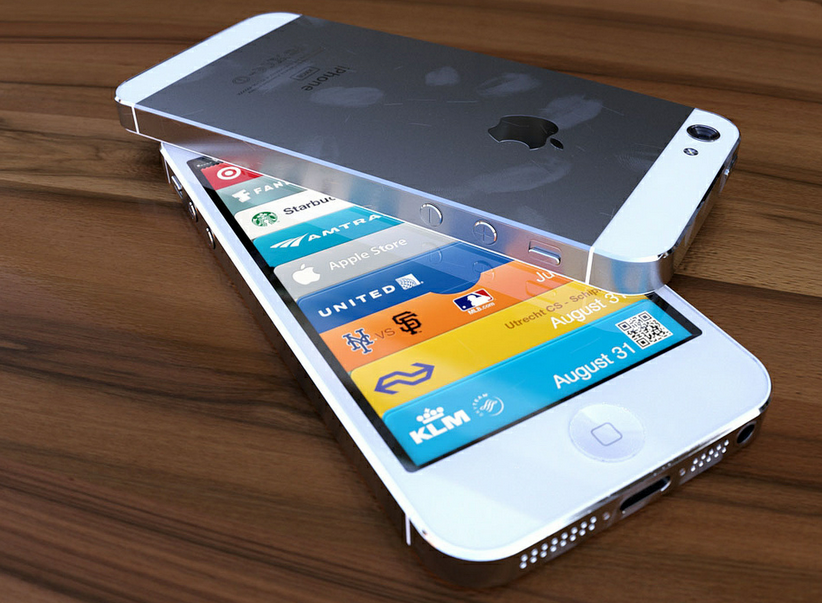
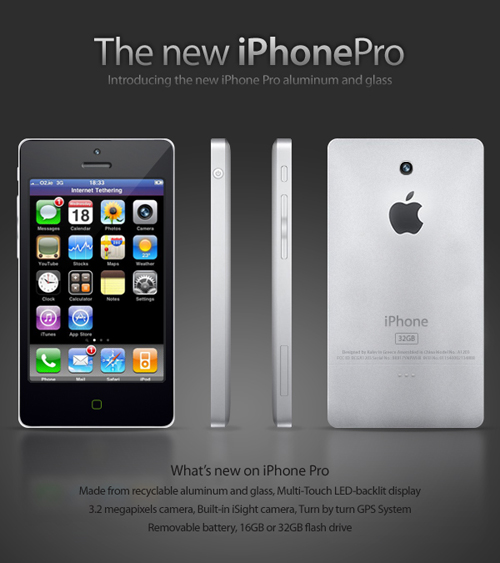
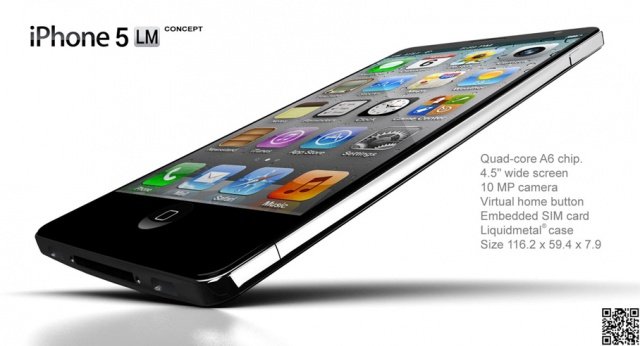
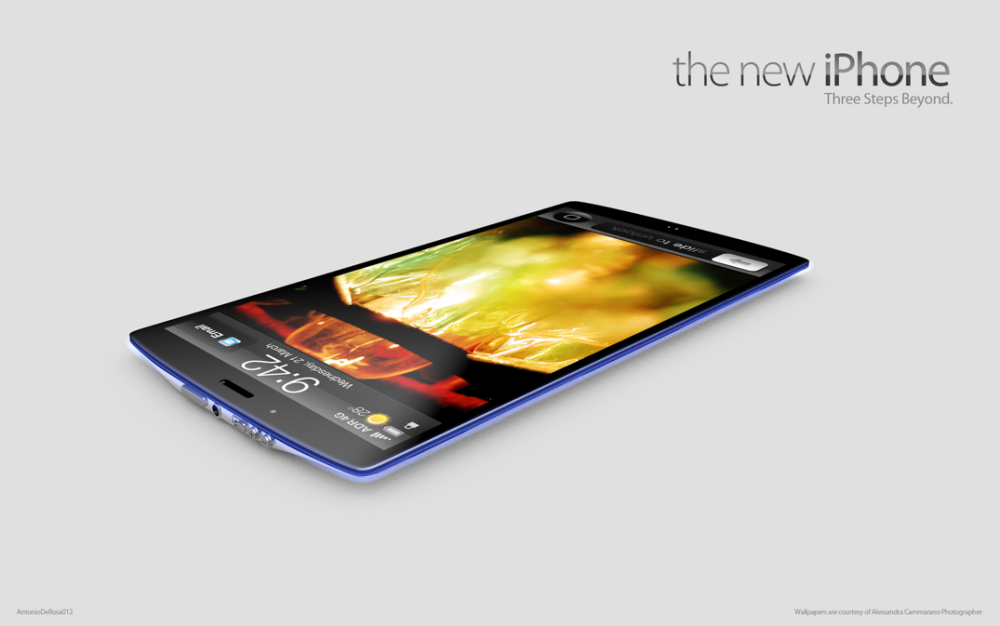
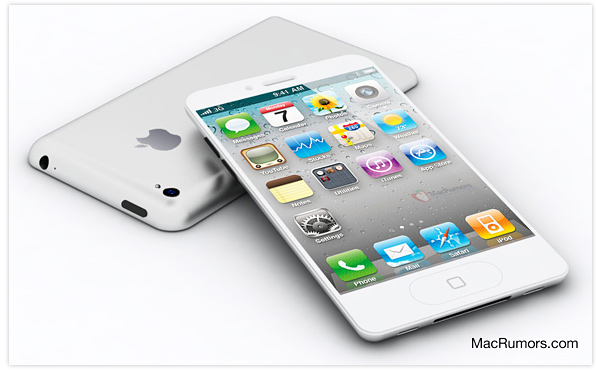
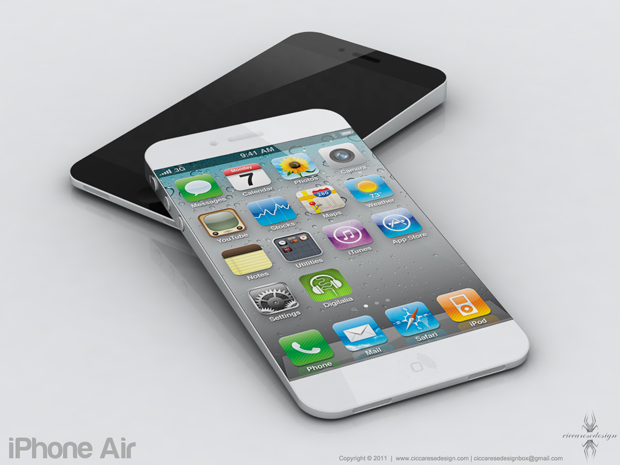
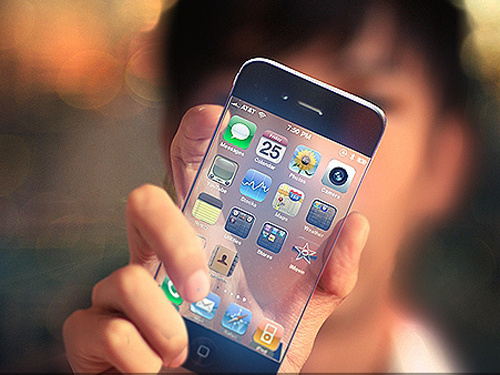
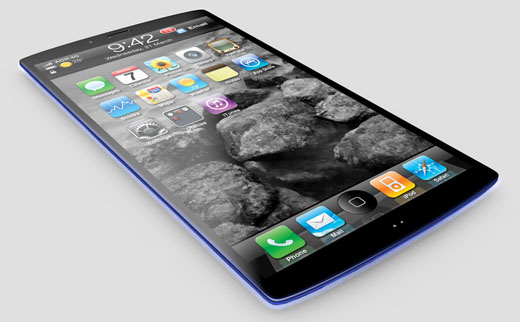
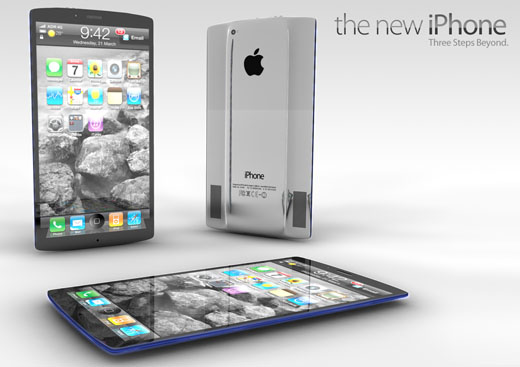
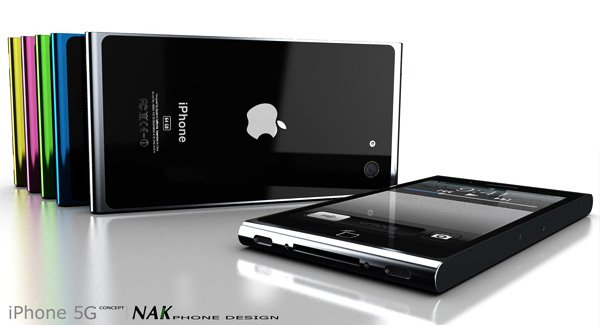
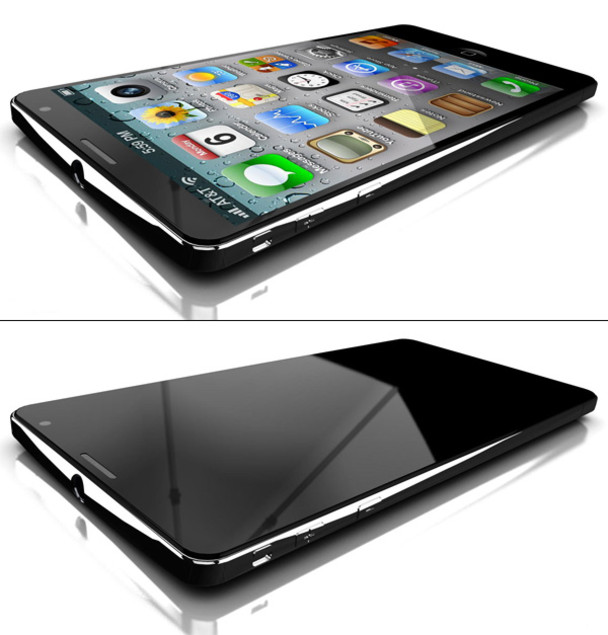
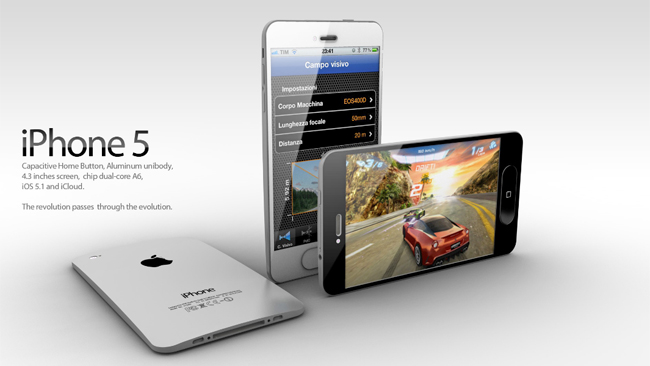
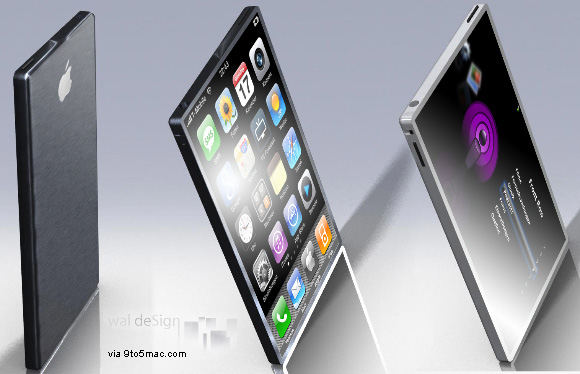
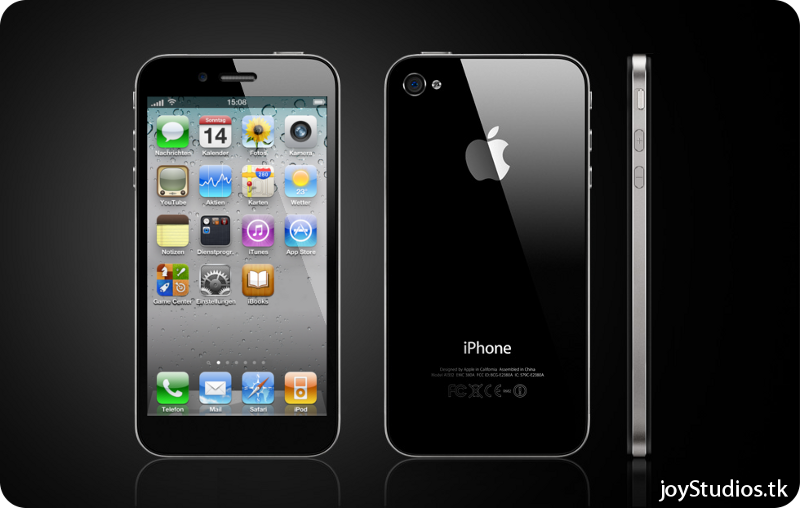
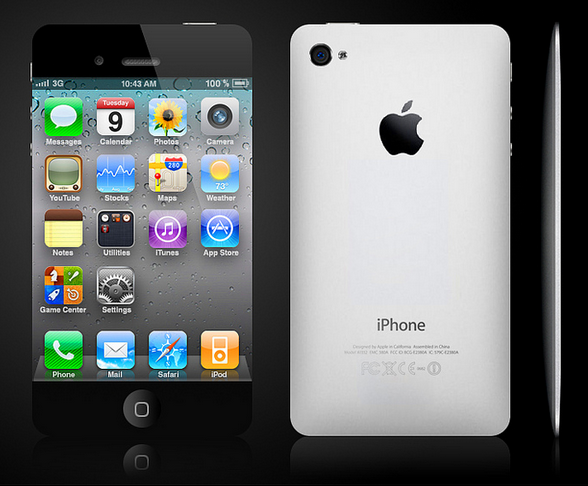
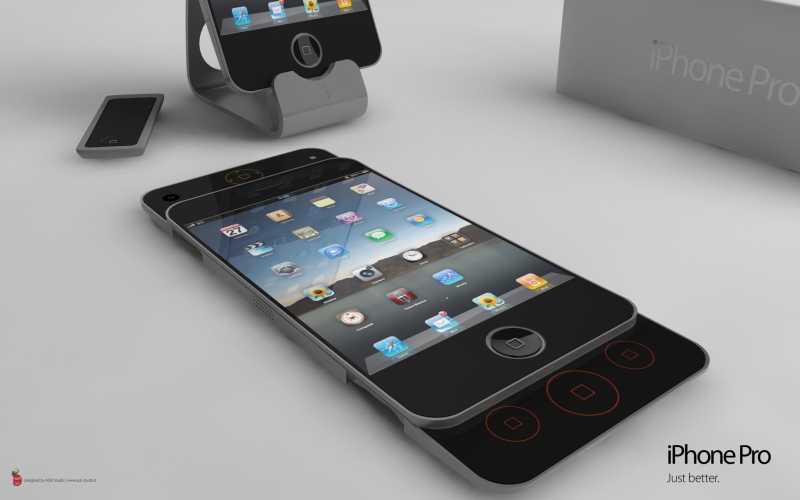
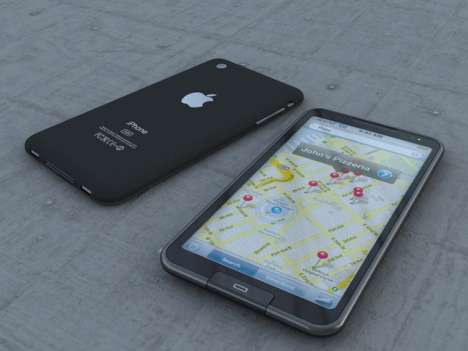
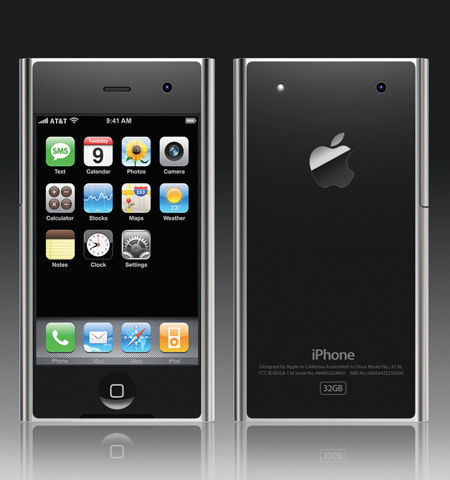
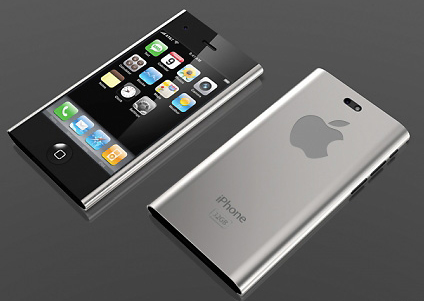
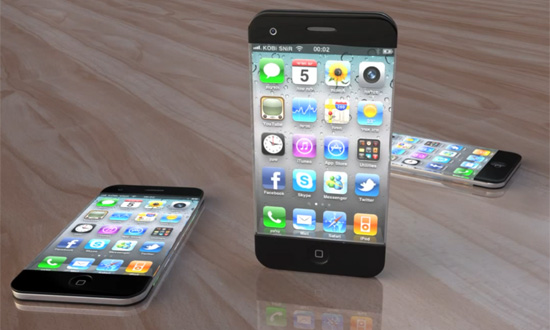
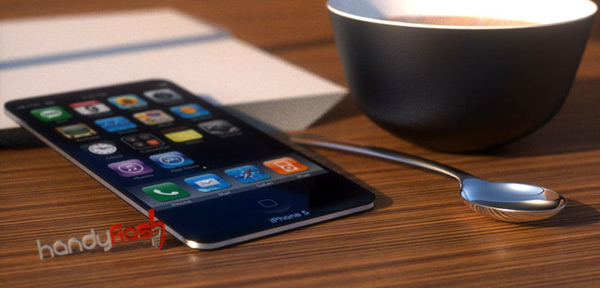
The Most Anticipated iPhone 5 [Concepts]

iPhone 5

It has been a while, a year and a half of waiting for the iPhone 5 or new iPhone to come out of Cupertino since the day Apple introduce the iPhone 4S back in October 2011. Now we learn so many things already since then —-about what we dream of the iPhone 5 should have aesthetically and feature-wise. Fortunately, there are tons of creative minds to give us a preview of what most consumer’s would think of the new iPhone 5. Now what we have here is a collection of new iPhone concepts that has spilled in the internet, check them pass through the break.

Gallery


Thursday, 26 April 2012

Ultra thin Motorola Droid Razr.

Motorola takes us inside the engineering of the ultra thin Motorola Droid Razr.